Pages

Friday, 4 September 2020

Response to texts

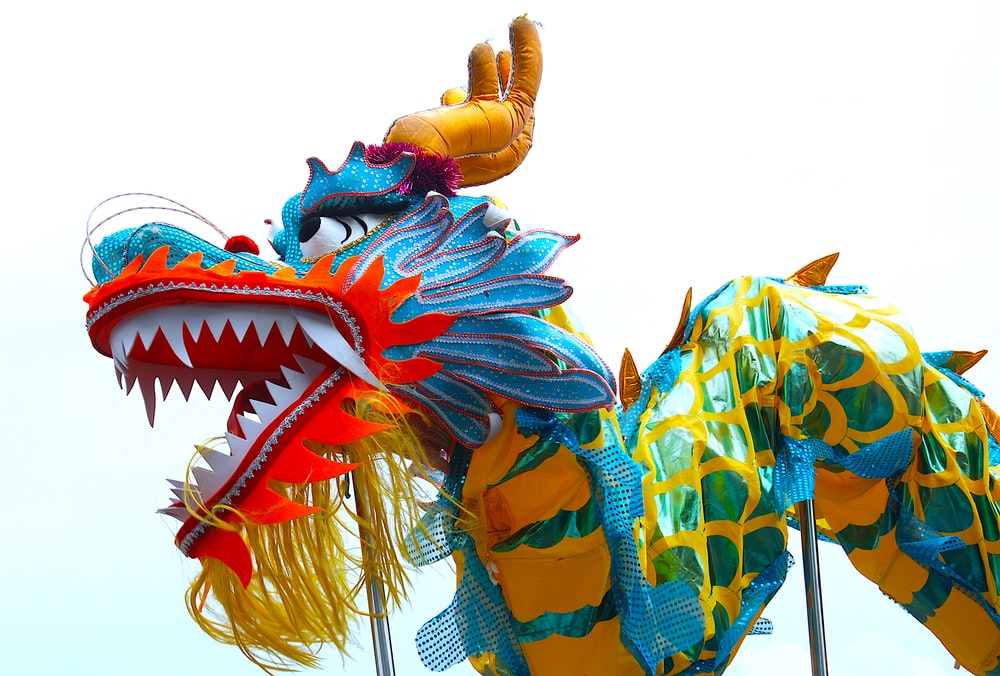
 Chinese Pop Culture - Questionsdragon drance figure

Instructions. 

Highlight the correct answer for each question.


Questions


1) What is the name of our calendar?

a) The western calendar b) THE calendar

c) The Gregorian calendar d) The Chinese calendar


2) When does the Chinese calendar begin?


→ Feb


3) What two things are seen as lucky in China?

a) Chocolate and Ice cream b) The colour red and fish

c) The Bear and the Dragon d) All of the above


4) Which has MORE days in the Calander? The Gregorian Calendar or The Chinese Calendar?


→ our calendar


5) What does shengxiao mean?


→ zodiac


6) How many animals make up the Chinese Zodiac?

a) 20 b) 14

b) 4 c) 12


7) What are dragons a sign of?

a) Love and energy b) Kindness and Positivity

c) Friendship and Humour d) Prosperity and Strength


8) What are the 3 main artforms in China?

a) Sketching, calligraphy and dance b) Calligraphy, painting and dance 

c) Singing, calligraphy and dance d) Calligraphy, poetry and painting


9) What is the name of Mandarin Pop Music?


→ mandapop


10) What animal is your Zodiac animal?


→ rabbit


Fill in the blanks


Thursday, 3 September 2020

design task


Maths


Maths


Extra writing

 Panda Acrostic Poemhttps://upload.wikimedia.org/wikipedia/commons/3/3e/Panda-bear-on-green-grass-3608263.jpg


Instructions

We are writing an acrostic poem.


For each letter of Panda write a word or phrase.


P: rotected species 

A:nimal of China 

N:ational symbol 

D:oesn’t eat meat

A: Bear

S:harp claws


Writing

 Contractions


What is a contraction

A contraction is a word that has been shortened by combining two (or more) words together.


Write these words as contractions


I will

I’ll


cannot

Can’t 


you are

you’ll


he would

He’d 


you have

You’ve 


we will

We’ve 


they are

They’ve 


must not

Mustn’t 


I have

I’ve 


does not

Dosen’t 


they would

They’d 


how will

How’ll 


who is

Who’s


has not

Hasn’t 


they have

They’ve 


we would

We’ve 


shall not

shouldn’t


are not

Aren’t 


I am

I’ve 


would not

Wouldn’t